Complete Guide to Saving Money in 2026
Learn proven strategies to build wealth through saving. From emergency funds to retirement accounts, discover how to save money effectively, choose the best savings accounts, and achieve your financial goals faster.
Why Saving Money Changes Everything
Saving money isn't about deprivation. It's about creating options, reducing stress, and building the life you want. Every dollar saved is a step toward financial freedom, whether that means retiring early, starting a business, or simply sleeping better at night knowing you're covered.
The average American household with substantial savings has 2.5 times the net worth of those who don't save regularly. The difference isn't always income level—it's consistent saving habits compounded over time.
Financial Security
Handle emergencies without debt or panic
Freedom of Choice
Make decisions based on wants, not financial desperation
Compound Growth
Your money grows exponentially through investment returns
Peace of Mind
Sleep better knowing you're financially prepared

Savings Milestones: Your Journey to Financial Freedom
Track your progress through these important milestones. Each one represents a major step toward complete financial security.
First $1,000
1-3 monthsCovers most small emergencies
One Month's Expenses
3-6 monthsBreathing room for minor crises
Three Months' Expenses
9-18 monthsAdequate emergency cushion
Six Months' Expenses
2-3 yearsFull emergency fund complete
First $10,000 Invested
2-4 yearsCompound growth accelerates
One Year's Salary Saved
5-7 yearsFinancial independence foundation
How Much Should You Have Saved by Age?
Financial experts provide these benchmarks for retirement savings by age. Don't panic if you're behind—it's never too late to start, and knowing where you stand helps you plan forward.
20s
- Build $1,000 emergency fund
- Pay off high-interest debt
- Start 401(k) contributions
- Open Roth IRA
Lower income, student loans, starting career
40+ years of compound growth ahead
30s
- Complete 3-6 month emergency fund
- Save 15% for retirement
- Start home down payment fund
- Begin college savings if kids
Family expenses, mortgage, childcare costs
Peak earning years beginning, 30+ years to grow wealth
40s
- Max retirement contributions
- Aggressive college savings
- Pay off mortgage early
- Consider taxable investments
College tuition, aging parents, lifestyle inflation
Higher income, kids becoming independent soon
50s
- Maximize retirement catch-up
- Pay off all debt
- Build healthcare fund
- Downsize if appropriate
Healthcare costs rising, caring for parents
Peak earning years, clear retirement timeline
Behind on Savings? You're Not Alone
Most Americans are behind these benchmarks. The key is starting now and being consistent. Someone who starts saving at 40 with aggressive contributions can still build substantial wealth. Focus on your savings rate and timeline, not comparing yourself to averages that don't reflect your unique situation.
Quick Money-Saving Wins You Can Implement Today
Start saving immediately with these high-impact, low-effort changes. The best time to start was yesterday. The second best time is right now.
Switch to High-Yield Savings
EasyCancel Unused Subscriptions
EasyNegotiate Cell Phone Bill
EasyRefinance High-Interest Debt
MediumMeal Prep Instead of Eating Out
MediumShop with Cashback Apps
Easy5 Critical Saving Mistakes That Cost Thousands
Learn from common pitfalls that derail even the best intentions. Avoiding these mistakes can save you years of financial struggle.
Not Having Clear Goals
Saving without purpose leads to spending savings on non-essentials when temptation strikes
Define specific goals with dollar amounts and deadlines. 'Save $10,000 for down payment by December 2026' beats 'save money'
Saving After Spending
Planning to save whatever is left at month's end usually results in saving nothing
Pay yourself first automatically. Transfer savings on payday before money touches your checking account
Keeping Emergency Fund in Checking
Money in checking gets spent. You're also losing thousands in potential interest annually
Move emergency fund to separate high-yield savings earning 4-5% APY, not mixed with spending money
Ignoring Employer 401(k) Match
Not taking full employer match is declining free money and guaranteed 50-100% return on contributions
Contribute enough to get full match before other savings goals. This is automatic 50-100% return
Lifestyle Inflation
Spending increases match income increases, preventing wealth accumulation despite earning more
When income rises, immediately increase savings rate before adjusting lifestyle upward
Frequently Asked Questions About Saving Money
How much money should I save each month?
Financial experts recommend saving at least 20% of your after-tax income, though this can be split between retirement, emergency funds, and other goals. If 20% feels impossible, start with 5-10% and increase gradually. The average American saves only 3-5% of income, which is why most struggle financially. Even $100 per month invested consistently can grow to over $150,000 in 30 years with average market returns.
Where should I keep my emergency fund?
Your emergency fund belongs in a high-yield savings account, separate from checking but easily accessible. Top online banks currently offer 4-5% APY compared to 0.01% at traditional banks. This means earning $400-500 annually on a $10,000 balance instead of $1. The account should be FDIC insured, have no monthly fees, and allow quick transfers when emergencies strike. Avoid investing emergency funds in stocks or keeping them in checking where they'll get spent.
Should I save money or pay off debt first?
This depends on your debt's interest rate and your emergency fund status. Always build a basic $1,000 emergency fund first to avoid new debt when unexpected expenses hit. Then, aggressively pay off high-interest debt over 7% (credit cards, payday loans) while saving just enough for employer 401(k) match. Once high-interest debt is gone, build your full 3-6 month emergency fund. Finally, balance retirement savings with paying off lower-interest debt like mortgages and student loans.
What is a good interest rate for a savings account in 2026?
As of 2026, competitive high-yield savings accounts offer 4.0-5.5% APY. Traditional brick-and-mortar banks typically offer just 0.01-0.10%, which is essentially nothing after accounting for inflation. Online banks like Ally, Marcus, and CIT Bank consistently offer rates 40-50 times higher than traditional banks because they have lower overhead costs. Check rates monthly as they fluctuate with Federal Reserve policy. Never settle for under 4% APY when better rates are readily available.
How can I save money on a tight budget?
Start by paying yourself first—even $25 per paycheck adds up. Use the "reverse budget" method by automating savings immediately when paid, then living on what remains. Cut one major expense like cable TV, reduce food costs through meal planning, and negotiate bills annually. Consider round-up savings apps that automatically save spare change from purchases. Most importantly, focus on increasing income through side hustles or career advancement, which often impacts savings more than cutting expenses. Remember, saving $1 is the same as earning $1.30 pre-tax.
What's the difference between saving and investing?
Saving means putting money in safe, liquid accounts like savings accounts, CDs, or money markets. Your principal is protected and FDIC insured, earning 4-5% annually with zero risk. Investing means buying assets like stocks, bonds, or real estate that can grow substantially but may also lose value. Historically, stock market returns average 10% annually, but with significant short-term volatility. Use savings for emergency funds and goals under 5 years. Use investing for retirement and long-term wealth building where you can weather market downturns.
Essential Saving Guides
Master your savings with our comprehensive money-saving guides for 2026

How to Save Money Fast: 15 Practical Tips
Need to build your savings quickly? Discover actionable strategies to save money fast without drastically changing your lifestyle.
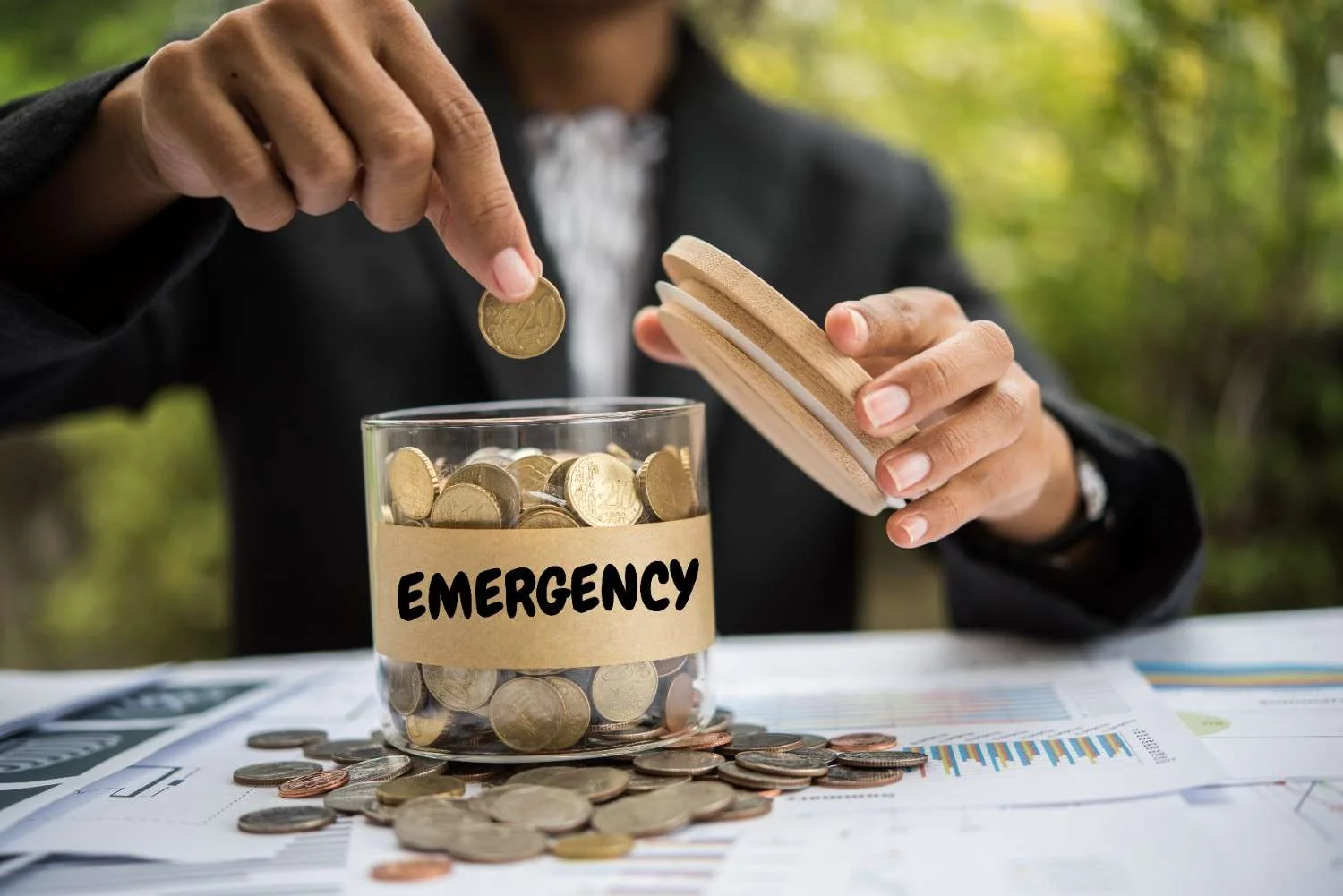
Emergency Fund Explained: How Much Should You Save?
Learn exactly how much to save for emergencies based on your situation. Build your financial safety net with confidence.

High-Yield Savings Accounts in the USA: Are They Worth It?
Discover if high-yield savings accounts are right for you. Compare rates, understand risks, and maximize your savings growth.
How to Save Money Without Sacrificing Your Lifestyle
Save money while still enjoying life. Smart strategies that help you build wealth without giving up the things you love.
Smart Saving Habits That Build Wealth
Develop habits that turn small savings into significant wealth over time. Learn the routines of successful savers.
More Articles
Explore our complete library
Continue Your Financial Education
Master related topics to build complete financial security
Financial Information Disclaimer
This savings guide provides general educational information and should not be considered personalized financial advice. Individual circumstances vary significantly, and savings strategies should be tailored to your specific situation, goals, and risk tolerance. Interest rates, account terms, and financial products mentioned are subject to change. While we strive for accuracy, please verify current rates and terms directly with financial institutions. Consider consulting with a certified financial planner or advisor for personalized recommendations. Past performance and savings examples do not guarantee future results.